Insurance AI Governance Job Descriptions: Roles, Skills, and Reporting Lines
AI governance job descriptions insurance leaders create should define accountability for AI risk, compliance, model oversight, third-party systems, and runtime agent behavior. Current insurance AI regulatory guidance requires documented governance frameworks, senior management accountability, third-party oversight, unfair discrimination testing, and human oversight for certain high-risk uses, but it does not prescribe job titles or reporting structures.
Enterprise resource
Why insurers need explicit AI governance job descriptions
Insurance AI governance should not depend on informal ownership, committee memory, or project-by-project interpretation. AI systems may affect underwriting, pricing, claims, service, internal operations, agent workflows, and supporting analytics. When those systems are deployed across business and technology environments, accountability needs to be clear enough for daily operations, not only governance documentation.
Current insurance AI regulatory guidance requires documented governance frameworks, senior management accountability, third-party oversight, unfair discrimination testing, and human oversight for certain high-risk uses. It does not prescribe job titles or reporting structures. That leaves insurers with a practical design task: define the responsibilities that must exist, then map them to roles, teams, and reporting lines that fit the organization.
Practical design principle: job descriptions should explain who approves AI use cases, who validates models, who monitors production behavior, who manages agent permissions, who escalates incidents, and who reports AI risk to senior management or the board.
Recommended insurance AI governance roles
Insurers do not need to copy a single job-title model. The more durable approach is to define role responsibilities clearly and assign them to existing or new functions. The following accountability areas reflect the responsibilities described in the governance model for insurance AI.
AI governance executive or senior accountability owner
This role connects AI governance to senior management accountability. It should be responsible for ensuring that governance expectations are visible at the right level, that AI risk is reported through appropriate channels, and that unresolved governance decisions are escalated rather than left inside project teams.
AI use-case approval owner
This role owns the process for approving AI use cases before deployment. It should clarify whether the use case involves underwriting, pricing, claims, service, internal operations, or another business function, and it should ensure that required reviews happen before production use.
Model risk and validation owner
This role focuses on model oversight, validation documentation, periodic review, change management, and related model governance activities. Traditional model governance remains important, especially where models influence decisions, recommendations, risk segmentation, or operational prioritization.
Compliance and unfair discrimination testing owner
This role connects AI governance to compliance obligations, including unfair discrimination testing where relevant. It should ensure that AI governance activities are not limited to technical performance, and that compliance expectations are considered in both approval and monitoring processes.
Third-party AI oversight owner
This role is responsible for extending governance expectations to vendor-supplied AI and other third-party systems. If an insurer uses vendor-supplied AI, governance roles need visibility into what the system can access, what decisions or recommendations it supports, what logs are available, and how human oversight is performed.
AI runtime controls owner
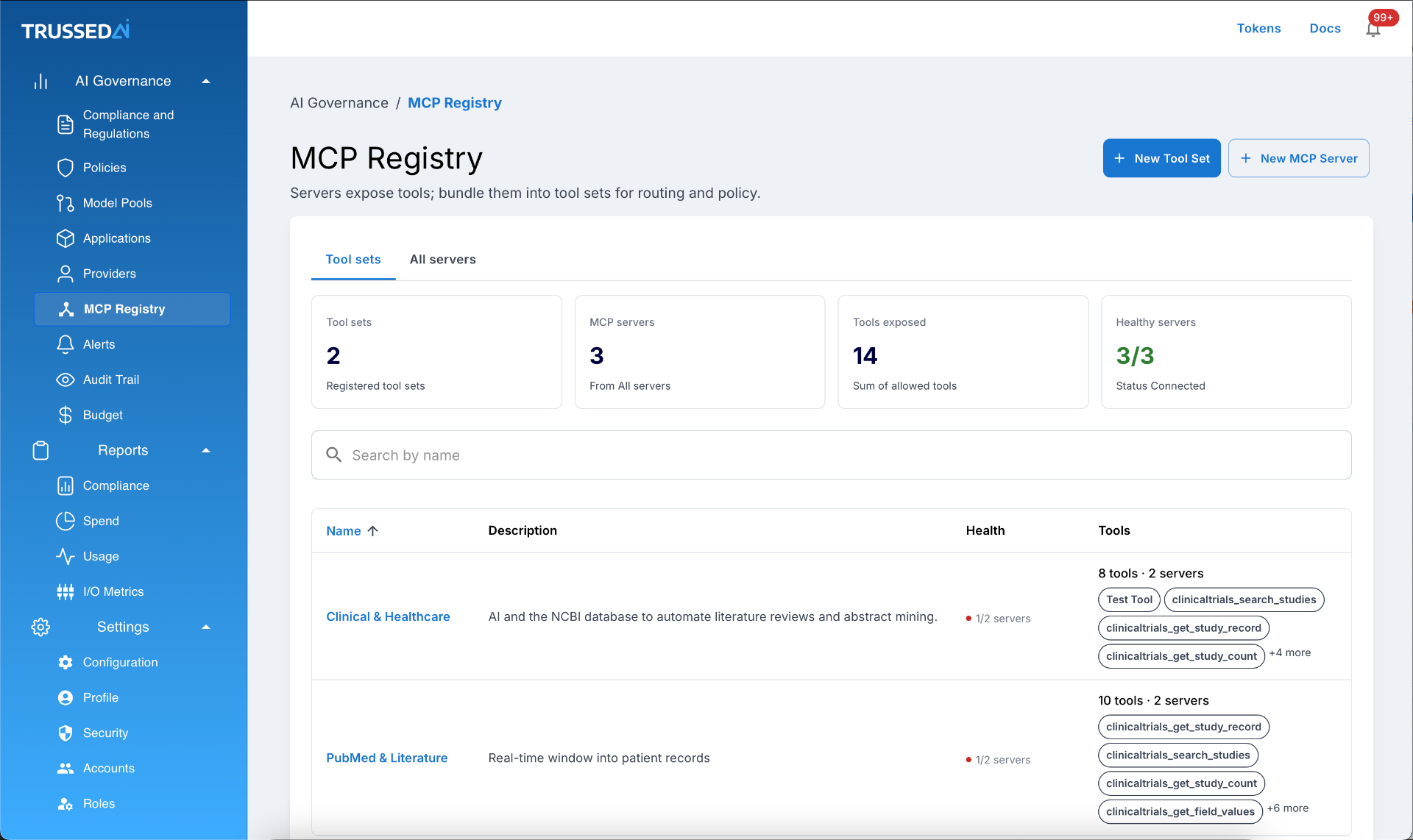
The AI Runtime Controls Owner should be responsible for translating governance policy into operational control requirements. That does not mean this role must personally administer every technical control. It means the role owns the governance requirements for agent identity, least privilege, tool approval workflows, runtime monitoring, audit logging, and incident triggers.
Runtime oversight belongs in the job description, not only the control architecture
Traditional model governance often focuses on pre-deployment approval, validation documentation, periodic review, and change management. Those controls remain important, but AI agents introduce additional operational questions. An agent may retrieve information, call tools, invoke workflows, interact with other systems, or require human approval before completing a task.
If job descriptions do not assign ownership for these runtime behaviors, the insurer may have a policy on paper without a person accountable for enforcement. Security and platform teams may implement controls, but governance must define what acceptable behavior looks like and how exceptions are approved.
This is also where third-party oversight becomes operational rather than contractual. NAIC-style and NYDFS-style expectations make clear that vendor AI remains part of the insurer’s governance responsibility. Job descriptions should therefore avoid limiting scope to internally developed models.
Runtime control responsibilities to make explicit
- Define governance requirements for agent identity and access.
- Specify least privilege expectations for AI agents and connected tools.
- Own tool approval workflows and exception processes.
- Set requirements for runtime monitoring and audit logging.
- Define incident triggers and escalation paths for production AI behavior.
- Ensure vendor-supplied AI is governed as part of the insurer’s responsibility.
How to structure reporting lines without creating another silo
Reporting lines should connect AI governance roles to risk, compliance, technology, actuarial, and board-level oversight. The goal is not to create a parallel governance organization that duplicates every existing control function. The goal is to make sure AI responsibilities are assigned, visible, and operational.
A practical structure can keep business ownership close to the use case while giving risk, compliance, model oversight, security, and platform teams defined responsibilities. Senior management or board-level reporting should focus on AI risk, unresolved exceptions, high-risk use cases, third-party AI exposure, and production oversight issues that require escalation.
| Governance area | Primary accountability question | Operational connection |
|---|---|---|
| Use-case approval | Who approves AI use cases before deployment? | Business ownership, risk review, compliance review, model oversight where applicable. |
| Model oversight | Who validates models and manages review requirements? | Validation documentation, periodic review, change management, model risk governance. |
| Compliance oversight | Who owns compliance expectations, including unfair discrimination testing where relevant? | Compliance review, policy interpretation, testing requirements, escalation of unresolved issues. |
| Third-party AI | Who ensures vendor AI remains within the insurer’s governance responsibility? | Vendor access visibility, supported decisions or recommendations, available logs, human oversight. |
| Runtime controls | Who monitors production behavior and defines acceptable agent behavior? | Agent identity, least privilege, tool governance, runtime monitoring, audit logging, incident triggers. |
| Senior reporting | Who reports AI risk to senior management or the board? | Risk reporting, exception status, high-risk use oversight, governance program visibility. |
Skills to include in insurance AI governance team job descriptions
AI governance job descriptions should include skills that match the responsibilities being assigned. In an insurance setting, this usually means combining domain knowledge, risk management judgment, technical literacy, and the ability to work across business and control functions.
- Insurance domain understanding across underwriting, pricing, claims, service, and internal operations.
- Model risk and validation literacy, including documentation, review, and change management expectations.
- Compliance awareness, including the ability to connect AI use to governance frameworks and unfair discrimination testing where relevant.
- Third-party oversight experience for vendor-supplied systems and AI-supported recommendations.
- Runtime governance literacy, including agent permissions, tool use, monitoring, audit logging, and incident escalation.
- Cross-functional communication skills for working with risk, compliance, technology, actuarial, business, and senior oversight groups.
Common implementation questions
Do insurance AI regulations require specific job titles?
No. Current insurance AI regulatory guidance requires documented governance frameworks, senior management accountability, third-party oversight, unfair discrimination testing, and human oversight for certain high-risk uses, but it does not prescribe job titles or reporting structures.
Should runtime oversight sit only with security or platform teams?
Security and platform teams may implement controls, but governance must define what acceptable behavior looks like and how exceptions are approved. Runtime oversight should be reflected in job descriptions so there is a person or function accountable for enforcement requirements.
Does third-party AI need the same governance attention as internally developed models?
Yes. Vendor AI remains part of the insurer’s governance responsibility. Job descriptions should avoid limiting scope to internally developed models and should include visibility into access, supported decisions or recommendations, available logs, and human oversight.
What is the purpose of an AI Runtime Controls Owner?
The AI Runtime Controls Owner translates governance policy into operational control requirements for agent identity, least privilege, tool approval workflows, runtime monitoring, audit logging, and incident triggers.
Design AI governance roles that can operate in production
Trussed AI provides runtime governance and security capabilities for enterprise AI agents, including policy enforcement, monitoring, agent permissions, tool governance, and audit logging. Use these controls to support clearly assigned governance responsibilities rather than relying on policy documents alone.
Explore runtime governance